
What Are the Best Travel Apps for Booking Hotels and Activities on the Go?

What Are the Best Travel Apps for Booking Hotels and Activities on the Go?
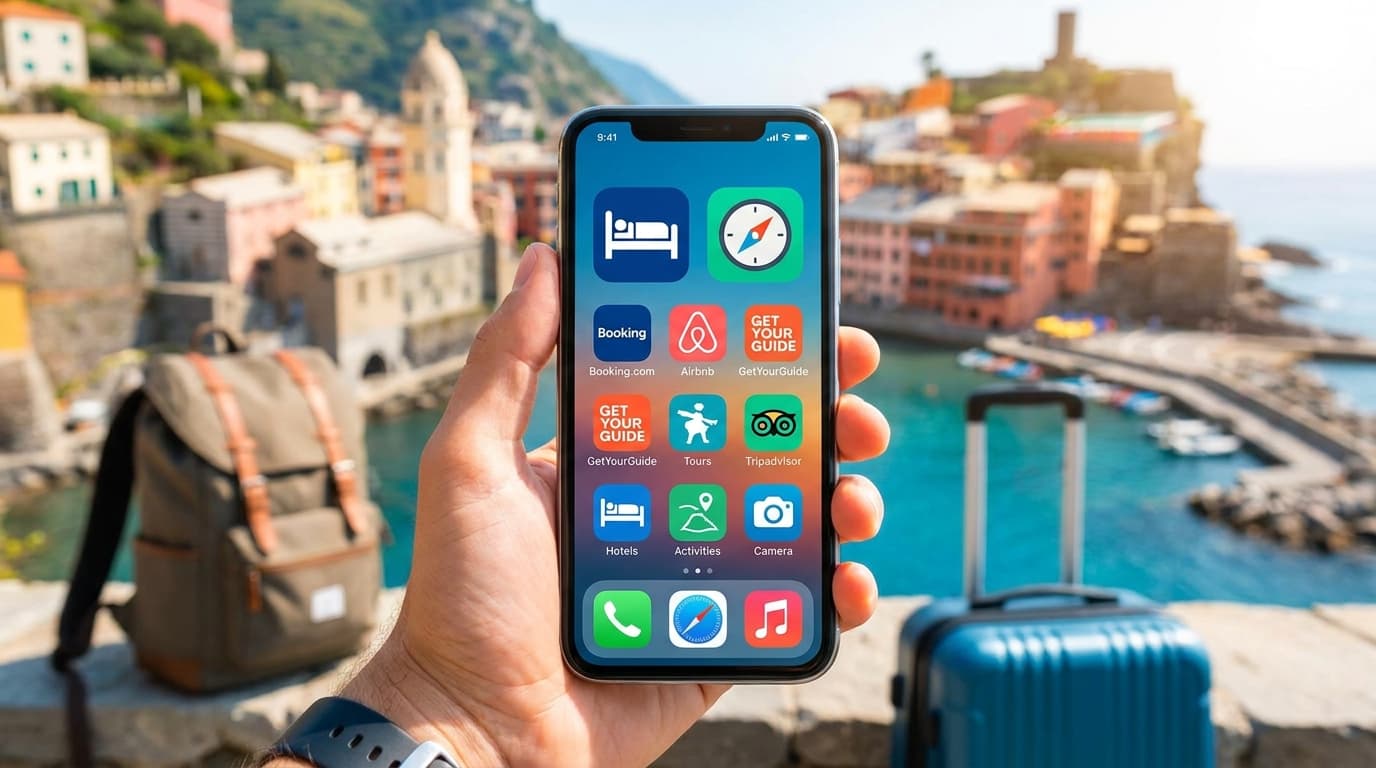
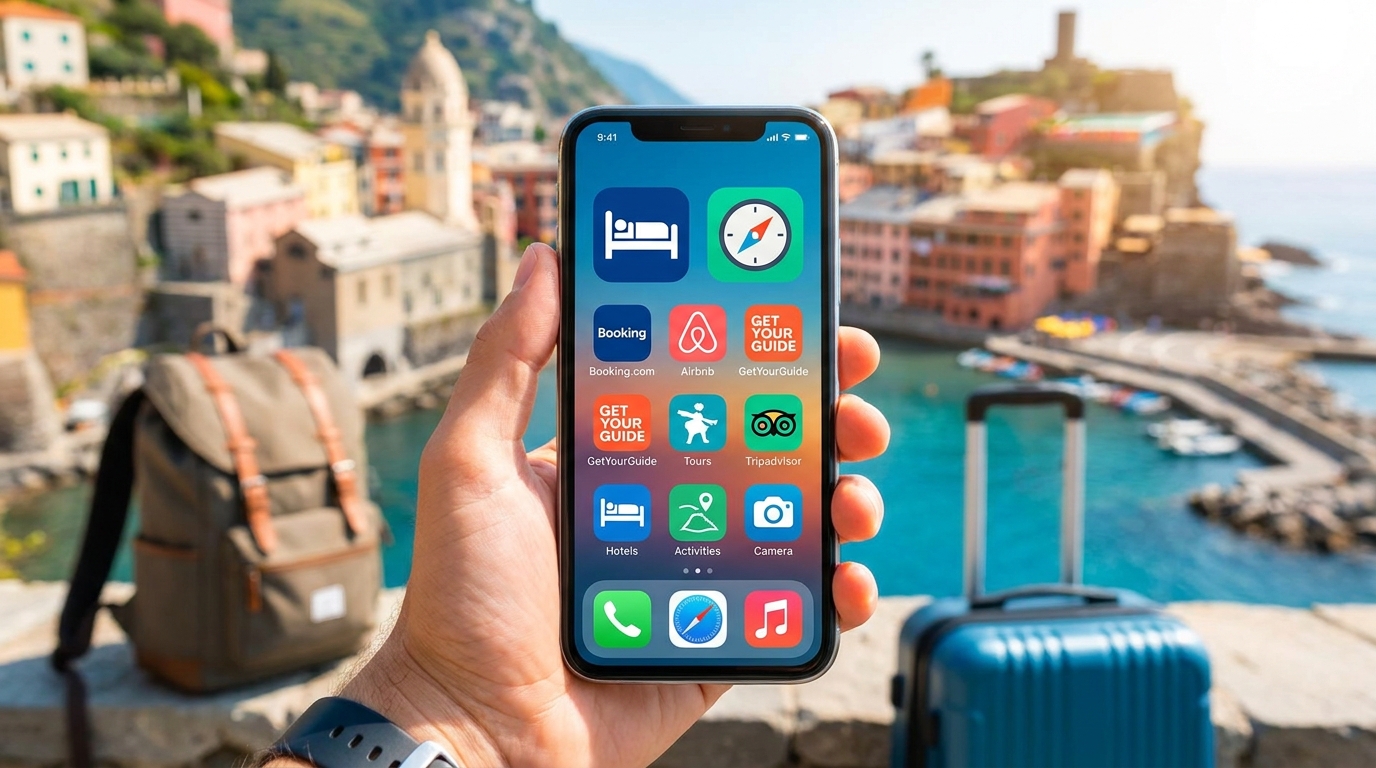
In a world where your smartphone is your compass, your guidebook, and your travel agent, the sheer number of travel apps can feel overwhelming. Spontaneous weekend getaway? Meticulously planned multi-country tour? There's an app for that - in fact, there are dozens. The challenge isn't just finding an app; it's finding the best travel apps for booking hotels and activities that streamline your planning, save you money, and uncover unforgettable experiences without causing digital fatigue.
The best travel apps for booking hotels and activities are integrated platforms like Booking.com and Expedia for all-in-one convenience, specialized apps like GetYourGuide for unique tours, and price-trackers like Hopper for securing the best deals. The ideal choice depends on your travel style, budget, and priorities, whether that's flexibility, loyalty rewards, or curated experiences.
This comprehensive guide cuts through the noise. We will dissect the giants of the industry, uncover niche apps with powerful features, and provide a clear framework for choosing the perfect digital travel companion. You will learn not just which apps to download, but how to use them effectively to book everything from a last-minute hotel in Tokyo to a cooking class in Tuscany. We will explore how loyalty programs can drastically change an app's value, compare the user experience of different platforms, and offer actionable strategies for finding the best prices. By the end, you'll be equipped to turn your phone into the ultimate tool for seamless, on-the-go travel planning.
Which All-in-One App is Best for Integrated Travel Planning?
For travelers who value convenience and simplicity, the best all-in-one app is Booking.com. It offers a massive inventory of hotels, apartments, and alternative accommodations, seamlessly integrated with a robust selection of flights, rental cars, and bookable activities, all within a single, user-friendly interface. Its powerful filtering options and Genius loyalty program make it a dominant force in integrated travel planning.
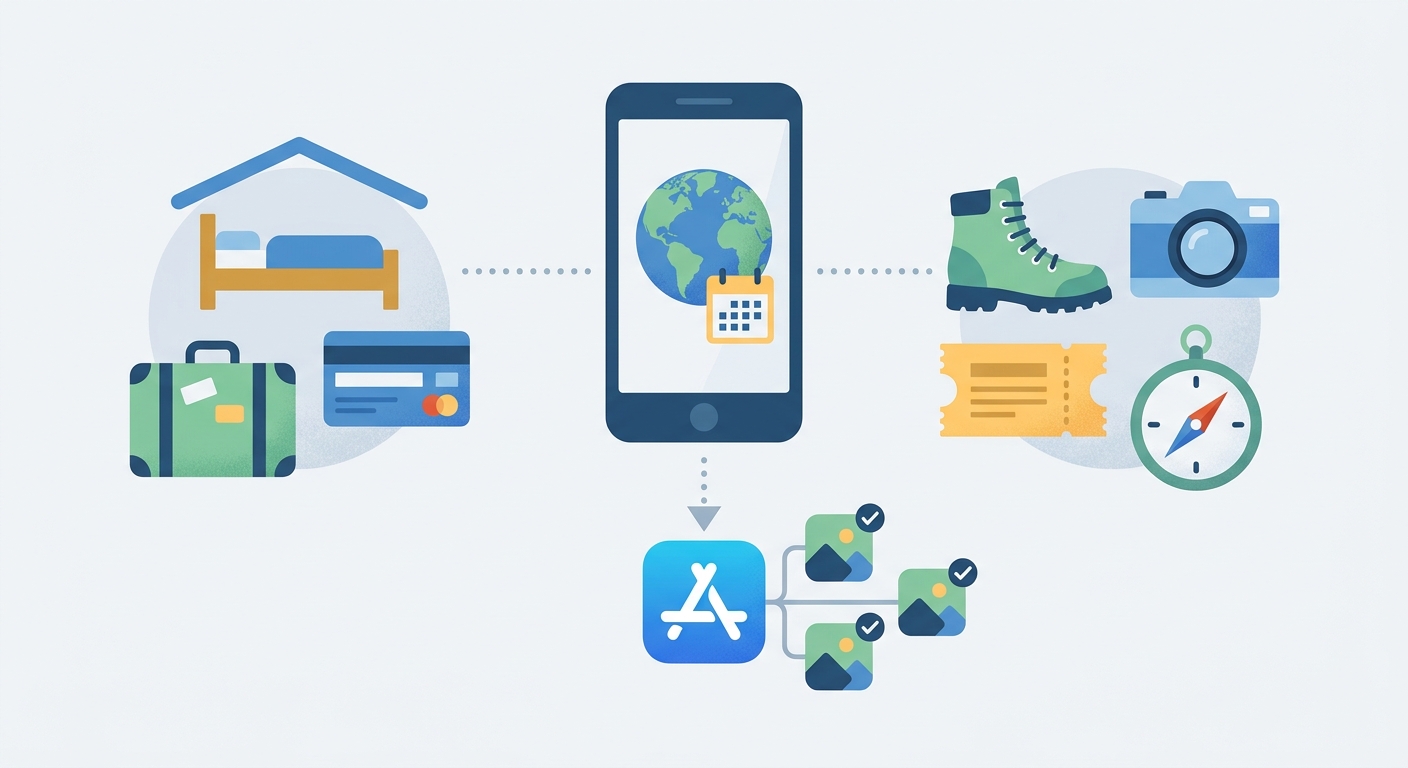
The primary advantage of an all-in-one app is consolidation. Instead of juggling multiple apps - one for your hotel, another for a city tour, and a third for your airport transfer - you can manage your entire itinerary in one place. This reduces organizational stress and creates a unified record of your trip. Platforms like Booking.com, Expedia, and Agoda have built their empires on this principle of convenience. They act as digital superstores for travel, allowing you to bundle services, which can sometimes lead to package discounts.
For example, imagine you're planning a five-day trip to Lisbon. Using Expedia, you could book your flight and hotel together as a package, often saving a significant amount compared to booking them separately. Once that's confirmed, the app might suggest popular activities like a tram tour or a visit to Belém Tower, which you can add to your cart with a few taps. All confirmations, tickets, and details are stored within the Expedia app, accessible with or without an internet connection. This centralized hub is invaluable when you're navigating a new city and need quick access to an address or a ticket's QR code.
When comparing the titans, Booking.com often stands out for its sheer volume and variety of lodging options, especially in Europe and Asia. Its user interface is clean and focuses heavily on user reviews, making it easy to gauge a property's quality. Expedia, on the other hand, is particularly strong in the North American market and often excels with its package deals (flight + hotel + car). It's also part of the One Key rewards program, shared with Hotels.com and Vrbo, which can be a compelling reason for frequent travelers to stick with its ecosystem. Agoda, part of the same parent company as Booking.com, often has a competitive edge in Asian markets, sometimes offering properties or prices not found elsewhere.
The key takeaway is to identify your priority. If your primary goal is finding any type of accommodation imaginable with a straightforward booking process, Booking.com is your best bet. If you are a frequent traveler who wants to maximize rewards across hotels, vacation rentals, and flights, Expedia's One Key program is a powerful incentive. The ultimate power of an all-in-one app lies in its ability to simplify the complex puzzle of travel planning into a single, manageable picture.
How Can You Find the Best Hotel Deals Using an App?
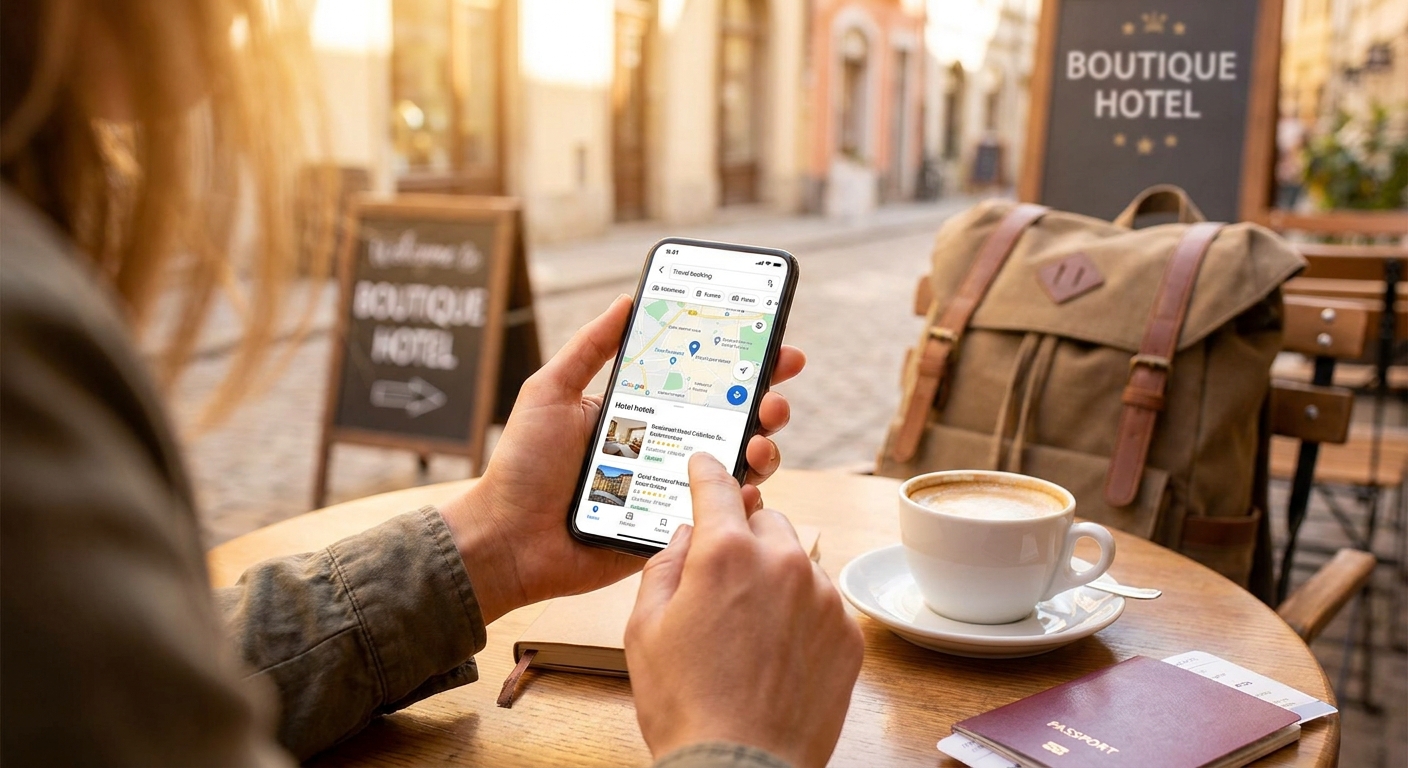
To find the absolute best hotel deals, a multi-app strategy is most effective. Start with a metasearch app like Kayak or Skyscanner to compare prices from hundreds of sites at once. Then, use a predictive pricing app like Hopper to gauge the best time to book. Finally, check a direct booking app like Booking.com or the hotel's own app for exclusive mobile-only rates or loyalty perks.
Metasearch engines are the traveler's secret weapon for price discovery. Unlike Online Travel Agencies (OTAs) like Expedia, which sell you the room directly, metasearch apps like Kayak act as powerful search engines. They don't handle the booking themselves; instead, they crawl the web, pulling prices for the same hotel room from dozens of OTAs and even the hotel's own website. This allows you to see at a glance whether Booking.com, Agoda, or a smaller, lesser-known site has the lowest price for your dates. The price differences can be surprisingly large, so this initial step is crucial for any deal hunter.
Let's take a real-world scenario. You want to book a room at the 'Grand Plaza Hotel' in New York for a weekend in October. You open Kayak, enter your dates, and search. The results show the price for a standard room is $350 on Expedia, $345 on a site you've never heard of, $360 on Booking.com, and $375 directly on the hotel's website. Kayak has instantly saved you from overpaying. From there, you can click through to the cheapest provider to complete your booking.
However, knowing the current best price is only half the battle. This is where predictive pricing apps like Hopper come in. Hopper analyzes historical price data to forecast whether your hotel's price is likely to rise or fall. After you search for your hotel, the app will advise you to either 'book now' or 'wait for a better price'. You can then set up a price watch, and Hopper will notify you the instant the price drops or when it believes prices are about to rise, signaling the best moment to buy. This data-driven approach removes the guesswork from timing your purchase.
The final layer of deal-hunting involves checking for exclusive discounts. Many OTAs, like Booking.com, and major hotel chains, like Marriott or Hilton, offer special 'mobile-only' rates or 'member prices' that are only visible when you're logged into their app. Sometimes, these direct-app prices can beat the lowest price found on a metasearch engine. Therefore, the actionable insight is a three-step process: 1) Use a metasearch app (Kayak) to find the market-low price. 2) Validate the timing with a predictive app (Hopper). 3) Do a final check on the winning OTA's app (Booking.com) or the hotel's own app to see if any member-specific discounts can beat it. This methodical approach is key to getting the most out of the best travel apps for booking hotels and activities.
What Apps Specialize in Booking Unique Tours and Local Experiences?
The best apps for booking unique tours and local experiences are GetYourGuide, Viator, and Klook. These platforms move beyond standard city bus tours, connecting travelers with a vast marketplace of cooking classes, niche walking tours, adventure sports, and skip-the-line tickets for major attractions, curated and reviewed by a global community.
These specialized activity-booking apps solve a major travel pain point: discovering and vetting things to do in a new destination. In the past, travelers might rely on a hotel concierge or a local tourist office, with limited options and opaque pricing. Apps like GetYourGuide put this power in your hands. They aggregate thousands of experiences from local tour operators, providing detailed descriptions, photos, and, most importantly, a wealth of user reviews. This transparency allows you to book with confidence, whether it's a street food tour in Bangkok or a gondola ride in Venice.
Consider a trip to Rome. Instead of waiting in the notoriously long queue for the Colosseum, you could use GetYourGuide to book a 'Skip-the-Line' ticket with a guided tour. The app shows you multiple tour operators, their ratings, tour durations, and prices. You find one with over 10,000 reviews and an average rating of 4.8/5. You can book it instantly from your phone, and the ticket with a QR code is saved directly in the app. This not only saves you hours of valuable vacation time but also often enriches the experience with historical context from a knowledgeable guide.
Comparing the Activity Specialists
While they serve a similar purpose, the main players have different strengths. Viator, a TripAdvisor company, has one of the largest inventories of tours worldwide. Its connection to TripAdvisor means you can often see a massive number of reviews, giving you a strong sense of an activity's quality. It's a fantastic, reliable choice for popular destinations in North America and Europe.
GetYourGuide often excels in its user experience and curation. The app is incredibly slick, and its 'GetYourGuide Originals' are specially curated tours that promise a high-quality, unique experience you can't find elsewhere. They focus heavily on flexibility, with many bookings offering free cancellation up to 24 hours in advance, which is a huge plus for travelers with fluid plans. It has a very strong foothold in European destinations.
Klook is the undisputed powerhouse for travel in Asia. If you're planning a trip to Japan, South Korea, Singapore, or anywhere in the region, Klook should be your first download. It often has exclusive deals on theme park tickets (like Universal Studios Japan), rail passes (like the Japan Rail Pass), and local SIM cards or pocket Wi-Fi devices, in addition to a wide array of tours and activities. Its pricing is often the most competitive for this part of the world.
The takeaway for travelers is to choose the app that best aligns with their destination. For a trip across Europe, comparing options on both Viator and GetYourGuide is wise. For an adventure in Asia, Klook is essential. By using these specialized apps, you move from being a passive tourist to an active participant, easily discovering and booking authentic experiences that become the highlight of your trip.

Are There Apps That Excel at Last-Minute Bookings?
Yes, the standout app for last-minute hotel bookings is HotelTonight. While the app makes it easy, it's worth understanding the general pros and cons of booking last-minute before you rely on the strategy. Acquired by Airbnb, this app was built from the ground up to cater to spontaneous travelers, offering highly discounted rates on unsold hotel rooms for same-day or near-future bookings. While major OTAs also offer last-minute deals, HotelTonight's curated selection and simplified interface make it exceptionally efficient for on-the-fly planning.
The core concept behind HotelTonight is simple: hotels would rather sell an empty room at a discount than not sell it at all. The app capitalizes on this by partnering with hotels to offer exclusive, time-sensitive deals. As the check-in time gets closer, the prices often drop even further. The app's user experience is designed for speed and simplicity. Instead of overwhelming you with hundreds of options, it presents a curated list of available hotels categorized by labels like 'Basic', 'Solid', and 'Luxe', making it easy to find a suitable option in minutes.
Imagine a common scenario: your flight gets cancelled, and you're stranded in Chicago for the night. Instead of endlessly scrolling through a massive OTA, you open HotelTonight. You select 'tonight' for Chicago, and the app immediately shows you a dozen quality hotels with significant discounts. You see a room at a well-regarded boutique hotel, normally $250, now available for $140. With three taps, your room is booked, and the confirmation is on your phone. This seamless process is what makes it a must-have for business travelers, road-trippers, and anyone whose plans can change in an instant.
While HotelTonight is the specialist, it's not the only option. Major players like Booking.com and Expedia have also become very competitive in the last-minute market. Their advantage is a much larger inventory. If HotelTonight doesn't have an option in a smaller town or a specific neighborhood, Booking.com almost certainly will. These larger apps often have a 'Deals for Tonight' filter or section that you can use to quickly surface last-minute discounts. The key difference is curation versus volume. HotelTonight gives you a handpicked list, while Booking.com gives you the entire catalog to search through.
The actionable insight here is to use a two-app approach for spontaneous trips. Start with HotelTonight for its curated deals and beautiful user interface. It's the fastest way to find a great deal at a quality hotel. If you don't find what you're looking for, or if you're in a less-traveled area, then switch over to Booking.com or Kayak and use their filters to search for same-day availability. This strategy combines the best of both worlds: the speed and curation of a specialist with the comprehensive inventory of a market leader. This approach is a hallmark of effectively using the best travel apps for booking hotels and activities for any situation, planned or spontaneous.

How Do Loyalty Programs Impact Which Booking App You Should Choose?
Loyalty programs dramatically impact which booking app you should choose by transforming a simple transactional tool into a long-term value generator. Programs like Expedia's One Key and Booking.com's Genius program reward repeat customers with escalating tiers of discounts, free upgrades, and redeemable points, making it highly advantageous to consolidate your bookings with a single platform.
For a casual traveler who books one trip a year, the choice of app might be driven purely by who has the lowest price for that specific booking. However, for anyone who travels more frequently, loyalty becomes a powerful financial consideration. These programs are designed to foster brand allegiance, and they do so by offering tangible benefits that accrue over time. Sticking with one ecosystem allows you to climb the status ladder, unlocking progressively better perks that can significantly enhance your travels and reduce your overall costs.
Let's compare the two dominant programs. Booking.com's Genius program is tiered based on the number of stays you complete within a two-year period. Level 1 (unlocked after 2 stays) offers a 10% discount on select properties. Level 2 (5 stays) increases that to 10-15% discounts, free breakfast, and free room upgrades on select stays. Level 3 (15 stays) offers up to 20% discounts and priority support. The beauty of Genius is its simplicity; the discounts are applied automatically at the time of booking, requiring no points management.
In contrast, Expedia Group (which includes Expedia, Hotels.com, and Vrbo) recently launched its unified One Key program. This is a points-based system. You earn 'OneKeyCash' on every booking, which can then be spent like real money on future bookings across any of the three platforms. As you book more, you advance through Blue, Silver, Gold, and Platinum tiers, which unlocks perks like hotel food and beverage credits and room upgrades. The key advantage here is flexibility. You can earn points on a Vrbo vacation rental and then spend them on a hotel booked through Expedia, creating a more interconnected rewards system.
Consider a business consultant who travels twice a month. By consistently booking through Expedia, they quickly reach Gold status. On a trip to London, they book a partner hotel and automatically receive a room upgrade and a $20 credit for the hotel bar. They also earned $15 in OneKeyCash from the booking. Over a year, these small perks and earned rewards can add up to hundreds of dollars in real value. If this traveler had spread their bookings across five different apps, they would likely have no status and no accumulated rewards anywhere.
The critical takeaway is that travelers should 'pick a team'. Analyze which platform's ecosystem best suits your travel patterns. Do you prefer the straightforward, automatic discounts of Booking.com's Genius program? Or do you value the flexibility of earning and burning points across hotels and vacation rentals with Expedia's One Key? Committing to one platform and funneling your bookings through it is the most effective strategy for maximizing long-term value from travel app loyalty programs.
| App | Best For | Hotel Inventory | Activity Inventory | Loyalty Program | Unique Feature |
|---|---|---|---|---|---|
| Booking.com | All-in-one convenience, accommodation variety | Massive (Global) | Good | Genius (Tiered discounts, upgrades) | Extensive filtering and review system |
| Expedia | Package deals, North American market | Very Large (Global) | Very Good | One Key (Points-based, shared with Vrbo) | Strong flight + hotel bundle savings |
| GetYourGuide | Unique tours, European experiences | N/A | Excellent (Curated) | None | 'GetYourGuide Originals' exclusive tours |
| Hopper | Price prediction and deal tracking | Good | Good | Carrot Cash (Rebates) | Data-driven price freeze and predictions |
| HotelTonight | Last-minute hotel deals | Good (Curated) | N/A | HT Perks (Tiered discounts) | Simplified interface for spontaneous bookings |
| Klook | Activities and travel in Asia | N/A | Excellent (Asia-focused) | Klook Rewards (Credits) | Exclusive deals on Asian rail passes and theme parks |
What Is the Best App for Finding Alternative Accommodations?
The best app for finding alternative accommodations is undoubtedly Airbnb, which pioneered the market for booking stays in private homes, apartments, and unique properties. For those specifically seeking traditional vacation rentals like beach houses or mountain cabins, especially in North America, Vrbo (Vacation Rentals by Owner) is an extremely strong competitor with a slightly different focus.
Alternative accommodations refer to any lodging that isn't a traditional hotel. This can range from a spare room in a city apartment to an entire castle in the countryside. These options offer a fundamentally different travel experience, often providing more space, kitchen facilities, and a chance to live like a local. Airbnb is the global leader in this space due to its enormous inventory, user-friendly app, and a robust system of host and guest reviews that builds trust. The platform's 'Categories' feature, with filters like 'Amazing pools', 'Treehouses', or 'OMG!', makes it incredibly fun and easy to discover unique and unconventional stays.
For instance, a family of four planning a trip to Paris might find a standard hotel room cramped and expensive. Using the Airbnb app, they can filter for an entire apartment with two bedrooms and a kitchen in the Le Marais district. This not only gives them more space and the ability to prepare their own breakfast but also immerses them in a residential neighborhood, offering a more authentic Parisian experience. The ability to communicate directly with the host through the app to ask questions about the neighborhood or check-in process is another key advantage.
While Airbnb is dominant, Vrbo (part of the Expedia Group) is a formidable alternative, particularly for certain types of travel. Vrbo's inventory consists exclusively of entire properties; you won't find shared rooms or private rooms in a host's home. This makes it a go-to platform for families or larger groups seeking privacy and space. Its strength is particularly pronounced in classic vacation destinations in the United States, like the beaches of Florida or the mountains of Colorado. Because it's part of the Expedia family, you can also earn and use One Key rewards on Vrbo stays, which is a significant perk for loyalists of that ecosystem.
It's also worth noting that mainstream OTAs like Booking.com have made significant inroads into this market. Booking.com now features a massive number of apartments, homes, and 'aparthotels' on its platform, right alongside its hotel listings. The advantage of using Booking.com for this is the integration - you can book your flight, rental car, and apartment all in one place. However, the experience can sometimes feel less personal than the host-guest dynamic fostered by Airbnb.
Your choice of app should be guided by the type of stay you want. For the widest variety of unique, host-managed properties and shared spaces globally, Airbnb is unmatched. For private, whole-home vacation rentals, especially for family trips in North America, Vrbo is an excellent choice. And if you want to book an apartment with the same convenience and integration as a hotel, Booking.com is a powerful option. Using the right app for the right purpose is key to unlocking the perfect home away from home.
Can Travel Apps Help You Stay Organized During Your Trip?
Absolutely. While booking apps handle the 'before', dedicated itinerary management apps like TripIt are essential for staying organized 'during' your trip. These apps act as a central digital hub for all your travel plans, automatically consolidating confirmation emails for flights, hotels, car rentals, and activities into a single, chronological master itinerary that is accessible on the go, even offline.
The problem these apps solve is information fragmentation. A typical trip involves multiple bookings from different companies, resulting in a flurry of confirmation emails, PDFs, and app notifications. Trying to find your flight's gate number, your hotel's address, or your tour's meeting point by frantically searching through your inbox is a common source of travel stress. Itinerary managers eliminate this chaos. The magic of an app like TripIt lies in its automation. You simply grant it access to your inbox (or forward your confirmation emails to a specific address), and its technology scans for travel-related information.
Let's walk through an example. You book a flight on United's website, a hotel via Booking.com, and a rental car through Hertz. As each confirmation email arrives in your Gmail, TripIt automatically detects it, extracts the key details - flight numbers, check-in times, confirmation codes, addresses - and builds a detailed daily schedule for your trip. When you open the TripIt app, you see a clear timeline: 'Flight to Denver (UA123)', followed by 'Pick up Hertz rental (Conf #456)', and then 'Check in to The Denver Hotel (Conf #789)'. All the essential information is organized and at your fingertips.
The true power of these apps is revealed during travel. The pro version of TripIt can even send you real-time flight status alerts, often faster than the airline's own app, notify you of gate changes, and help you find alternative flights if yours is cancelled. Other apps in this category include Google Travel (formerly Google Trips), which automatically pulls information from Gmail and integrates it beautifully with Google Maps, creating a very seamless experience for Android users. Wanderlog is another excellent option that combines itinerary management with collaborative planning features and map-based visualization, making it great for group trips.
While booking apps like Expedia are adding more itinerary features, they can only track the bookings made on their platform. The crucial advantage of a dedicated app like TripIt is its agnosticism. It doesn't care where you booked; it organizes everything. The ultimate takeaway is that a well-rounded travel app strategy includes both booking tools and an organizational tool. Use your favorite apps to find the best deals, but then centralize all the resulting plans into an itinerary manager. This creates a single source of truth for your trip, reducing stress and allowing you to focus on enjoying the journey.
How Should You Compare Prices Across Different Travel Apps?
To effectively compare prices across travel apps, you must adopt a systematic, multi-layered approach. Start with a broad search on a metasearch engine like Kayak to establish a baseline price. Next, check prices on one or two major OTAs like Booking.com or Expedia, paying close attention to any mobile-only or member-only discounts. Finally, if applicable, check the hotel or airline's direct app for exclusive deals.
Relying on a single app is the most common mistake travelers make, as no single platform consistently has the lowest price. Prices for the same hotel room or tour can vary significantly between providers due to different commission structures, special promotions, and allocated inventory. A methodical comparison is the only way to ensure you are not overpaying. This process doesn't need to be time-consuming; a focused 15-minute check can often yield significant savings.
Let's use a detailed scenario: booking a three-night stay at the 'Hotel del Mar' in Barcelona.
- Step 1: The Metasearch Baseline. You open Kayak and search for your dates. Kayak scans dozens of sites and returns a list of prices. It shows the lowest price is $180/night on Agoda, followed by $185/night on a smaller OTA, and $200/night on both Booking.com and Expedia. You now have a critical piece of information: the market-low price is around $180.
- Step 2: The Major OTA Check. You now open the Booking.com app, where you have a 'Genius Level 2' loyalty status. You search for the same hotel and dates. Because of your status, the app displays a special Genius rate of $175/night, which includes free breakfast. This member-only rate was not visible to Kayak and is now the leading price. You repeat this check on the Expedia app, but find their price is still $200.
- Step 3: The Direct Check. As a final step, you quickly search for the 'Hotel del Mar' app or website. Some hotel chains, like Hilton or Hyatt, offer their absolute lowest rates to members booking directly. In this case, you find the hotel's direct price is $195/night.
In this example, the best deal was found on Booking.com, but only because of the user's loyalty status. For another user, the Agoda price found via Kayak might have been the best. The key insight is that the 'best' app is dynamic and depends on the specific search and the user's status. The process itself is the strategy: Metasearch -> Major OTA -> Direct. By following these steps, you triangulate the price and gain confidence that you are securing the best possible deal available to you at that moment.
What Hidden Features in Travel Apps Can Save You Money?
Beyond the sticker price, many travel apps have powerful hidden or underutilized features that can lead to significant savings. These include leveraging advanced filters for 'free cancellation', bundling services into package deals for unpublished rates, and strategically utilizing mobile-only pricing and loyalty program multipliers to maximize value on every booking.
Most users engage with travel apps on a surface level: they enter a destination and date and pick one of the top results. However, savvy travelers know that the real value often lies in the tools and options that require a few extra taps. Mastering these features can transform you from a price-taker to a strategic deal-hunter. These features are not 'hidden' in the sense of being secret, but they are often overlooked in the rush to book.
One of the most powerful money-saving features is the strategic use of the 'free cancellation' filter. When booking far in advance, prices can be volatile. A smart strategy is to book a hotel with a great price that offers free cancellation. Then, you can continue to monitor prices using an app like Hopper. If the price for the same or a better hotel drops closer to your travel date, you can cancel your original booking without penalty and re-book at the lower rate. This gives you a safety net while allowing you to capitalize on last-minute price drops.
Another often-missed opportunity is package deal pricing. When you bundle a flight and hotel together on a site like Expedia, the platform gains access to 'opaque inventory'. This means hotels and airlines provide rooms and seats at a much lower, unpublished rate that they don't want to advertise publicly, as it would devalue their brand. The total package price masks the deep discount on the individual components. A flight and hotel that cost $800 and $500 respectively when booked separately might be available as a $1100 package, saving you $200 for a few extra clicks during the booking process.
Finally, always look for mobile-only rates and loyalty-specific offers. Many platforms, including Booking.com, offer special discounts that are only visible and bookable within their mobile app, incentivizing users to download and use it. Furthermore, loyalty programs like One Key sometimes offer promotions where you can earn double or triple the points on certain bookings. Actively seeking out these offers can dramatically accelerate your rewards earnings, which translates into direct cash savings on future trips.
The ultimate takeaway is to slow down and explore the app's full functionality. Before you book, dive into the filtering options, check for a 'deals' or 'packages' tab, and ensure you are logged in to your loyalty account. These seemingly small steps can unlock layers of savings that most casual users completely miss.
Conclusion: Crafting Your Personal Travel App Toolkit
Navigating the digital landscape of travel planning no longer has to be a daunting task. The key is to understand that finding the best travel apps for booking hotels and activities isn't about one single 'best' app, but rather a perfect combination of apps that form a personalized toolkit for your specific needs. By moving beyond the search for a one-size-fits-all solution, you can strategically leverage the unique strengths of different platforms to save money, discover incredible experiences, and organize your trips with effortless efficiency. Your ideal toolkit will evolve with your travel style, but the principles of smart selection remain the same.
For the traveler who craves ultimate convenience and wants to manage their entire trip in one place, an all-in-one powerhouse like Booking.com or Expedia should be the cornerstone of their digital wallet. The choice between them hinges on whether you prefer the direct discounts of the Genius program or the flexible, points-based rewards of One Key. These platforms serve as your reliable base for hotels, flights, and cars, simplifying the core logistics of any journey.
To this foundation, you must add the specialized tools. No trip is complete without the experiences that create lasting memories, and this is where apps like GetYourGuide and Klook shine. They are your curated catalogs for culture, adventure, and authenticity, transforming you from a tourist into a local. For the deal-hunter and the spontaneous adventurer, predictive pricing apps like Hopper and last-minute specialists like HotelTonight are indispensable, providing the data and access needed to seize opportunities and travel more for less. Finally, an organizational champion like TripIt ties everything together, creating a stress-free, centralized itinerary that lets you focus on the moment.
Ultimately, the most empowered traveler is the one who understands this multi-app ecosystem. Start your search broadly with a metasearch engine, dive deep into the loyalty programs that reward your travel frequency, book unique stays and activities with specialists, and consolidate it all with an itinerary manager. By adopting this strategic, layered approach, your smartphone becomes more than just a booking device; it becomes your expert travel agent, your local guide, and your personal assistant, all in one.
Frequently Asked Questions
It depends. Booking apps like Kayak are excellent for comparing market prices, and OTAs like Booking.com often have exclusive mobile-only deals or loyalty discounts that beat direct rates. However, major hotel chains like Hilton or Marriott often guarantee the lowest price to their own loyalty members who book directly. The best strategy is to use an app to find a baseline price and then do a quick check on the hotel's own website before booking. For independent hotels, booking apps are frequently cheaper.
Generally, yes. Major platforms like Booking.com and Expedia only allow reviews from guests who have completed a verified stay, which makes them highly reliable. Similarly, activity apps like GetYourGuide and Viator have robust review systems. Be mindful of platforms like TripAdvisor, where anyone can leave a review, although they have measures to combat fake ones. The best approach is to look at the quantity and overall trend of recent reviews rather than focusing on a single glowing or negative comment. A high volume of recent, positive reviews is a strong indicator of quality.
Expedia is widely regarded as one of the best apps for booking flights and hotels together as a package. Its platform is specifically designed to offer significant discounts when you bundle services. The savings come from 'opaque' rates provided by airlines and hotels that aren't available publicly. Priceline is another strong contender, known for its 'Express Deals' and 'Pricebreakers' that can offer deep discounts on bundled bookings. Always compare the bundled price against the cost of booking the two components separately to ensure you're getting a genuine deal.
For extremely popular, capacity-limited activities like visiting the Anne Frank House in Amsterdam or a tour of Alcatraz, you should book months in advance as tickets sell out quickly. For most other activities, booking one to two weeks ahead is a safe bet, giving you flexibility while securing your spot. Many tours on apps like GetYourGuide offer free cancellation up to 24 hours beforehand, so there's little risk in booking ahead. For general city tours or museum tickets in less crowded seasons, booking a day or two in advance is usually sufficient.
Yes, this is a crucial feature for international travel. Itinerary management apps like TripIt are excellent offline; they allow you to download your entire itinerary so you can access addresses, confirmation numbers, and schedules without an internet connection. Google Maps allows you to download entire city or region maps for offline navigation. For guidebooks, Lonely Planet Guides and TripAdvisor also offer offline city guides. Before you travel, it's wise to download all the necessary information for your destination to avoid expensive data roaming charges and ensure you're never stranded without key information.