Solo Female Travel: The Ultimate Guide to Safety, Destinations, and Empowerment
The idea of packing a bag and setting off to explore the world alone can be both thrilling and terrifying. For women, this feeling is often amplified by societal concerns and endless questions about safety. But what if the narrative could change? What if solo female travel wasn't about fear, but about freedom, self-discovery, and profound empowerment? The truth is, traveling alone as a woman is not only possible but can be one of the most rewarding experiences of your life. It's an opportunity to trust your instincts, build unshakable confidence, and see the world entirely on your own terms.
The key to a successful and safe solo journey lies in preparation and mindset. It's about replacing fear with knowledge, anxiety with awareness, and hesitation with a well-thought-out plan. This isn't about being paranoid; it's about being smart. By understanding the nuances of different destinations, implementing practical safety strategies, and learning how to navigate challenges with grace, you can unlock a world of adventure that you might have thought was off-limits.
This comprehensive guide is designed to be your ultimate resource. We will walk you through every stage of the journey, from choosing your first destination to navigating daily life on the road. You will learn critical pre-trip preparations, how to stay safe in your accommodation, practical tips for exploring confidently, and strategies for handling everything from unwanted attention to moments of loneliness. We will explore the best destinations for beginners and seasoned travelers alike, discuss essential packing items, and show you how to leverage technology to enhance your safety. Prepare to embark on a journey that will not only show you the world but also show you what you're truly capable of.
Is Solo Female Travel Actually Safe for Women?
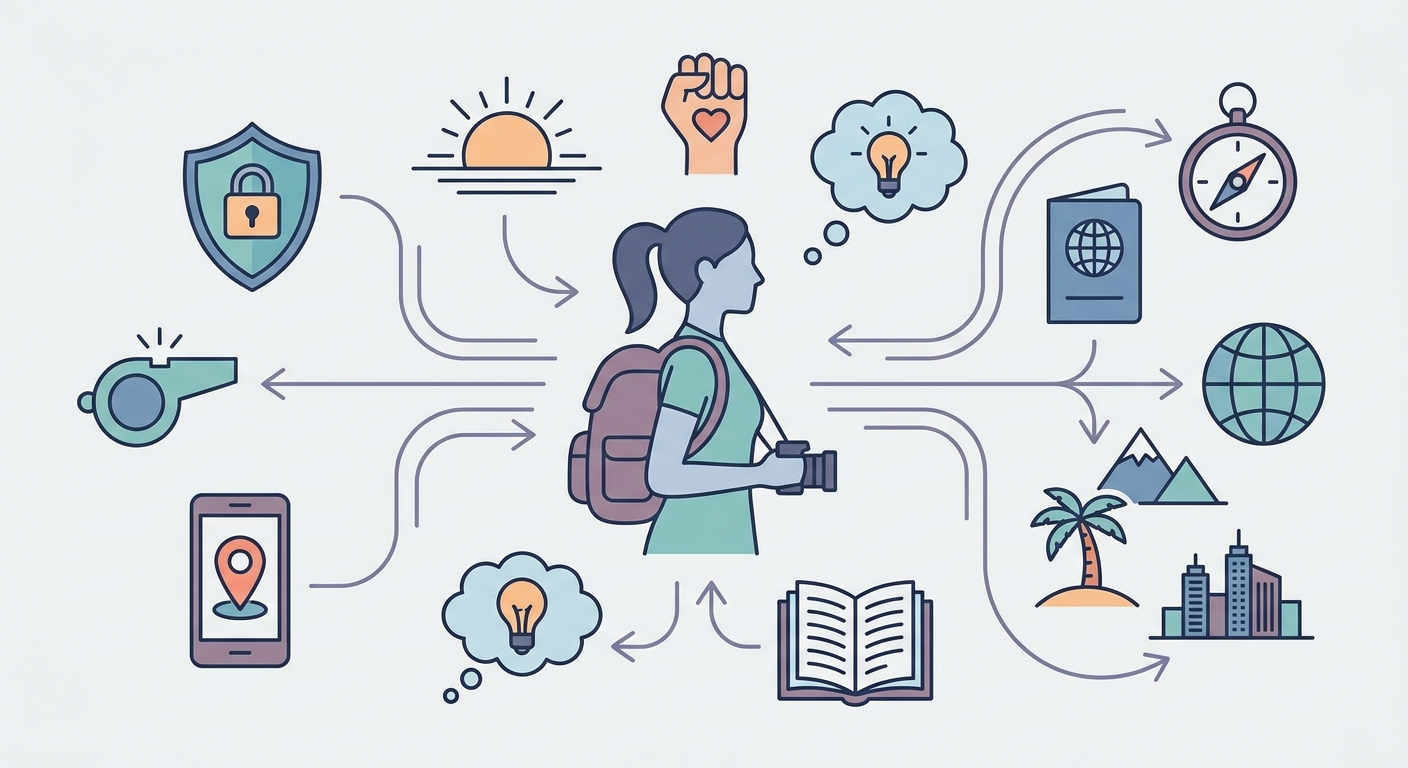
Yes, solo female travel can be remarkably safe, provided you approach it with awareness, research, and practical precautions. The perception of danger is often much greater than the statistical reality. Millions of women travel solo every year without incident, returning home with stories of incredible kindness and adventure. Safety is not about avoiding travel; it's about managing risk intelligently.
The foundation of safe solo travel is a proactive mindset, not a fearful one. It begins with understanding that your safety is primarily your own responsibility. This isn't meant to be intimidating but empowering. It means you have control. By choosing destinations with a good track record for safety, learning about local customs, and trusting your intuition, you significantly reduce potential risks. The narrative that the world is too dangerous for a woman alone is outdated and often rooted in fear rather than fact. While it's true that certain risks exist, they also exist in your home city. The skills you use to stay safe at home - being aware of your surroundings, not flashing valuables, and avoiding sketchy situations - are the very same skills that will protect you abroad.
A crucial aspect of this is differentiating between perceived threats and actual risks. Media often sensationalizes isolated negative incidents, creating a skewed perception of entire countries. For example, a story about a tourist being scammed in a major city doesn't mean the entire country is unsafe, just that you should be aware of common scams in tourist hubs. The antidote to this fear is research. Look at official sources like government travel advisories, but also read blogs and forums from other solo female travelers. Their firsthand experiences provide a more nuanced and realistic picture. They can tell you which neighborhoods are safe, what time of night the public transport feels comfortable, and how to politely but firmly handle unwanted attention.
Furthermore, building 'street smarts' is a continuous process. It involves observing local women. How do they dress? How do they carry themselves? How do they interact in public spaces? Emulating their behavior is one of the best ways to blend in and not mark yourself as an obvious tourist, which can make you less of a target for petty crime. It's also about projecting confidence, even when you're feeling a little lost. Walking with purpose, making eye contact, and keeping your head up can deter potential opportunists. Your body language speaks volumes. Ultimately, safety is a dynamic practice of awareness, preparation, and trusting that deep-seated gut feeling that tells you when a person or situation feels off. It's this intuition, honed and trusted, that becomes your most powerful travel companion.
How Do I Choose My First Solo Female Travel Destination?
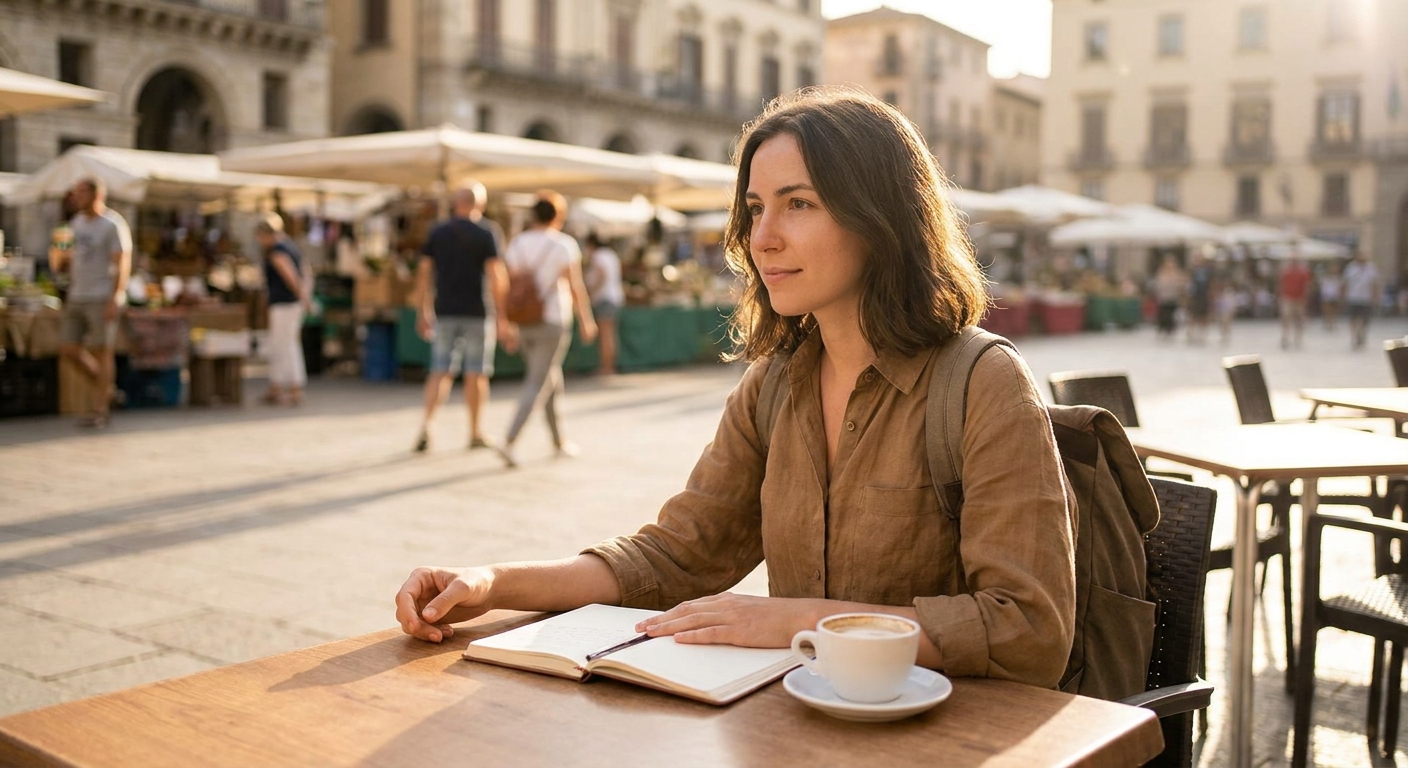
For your first solo trip, choose a destination known for its high safety standards, well-developed tourist infrastructure, and a culture that is relatively easy to navigate. Places where English is commonly spoken and getting around is straightforward can significantly reduce stress, allowing you to focus on enjoying the experience rather than grappling with logistical challenges. Think Iceland, New Zealand, Costa Rica, or Portugal.
The process of selecting that perfect first destination involves balancing your travel dreams with a healthy dose of pragmatism. Start by making a list of places you've always wanted to see. Then, filter that list through a few key criteria. First and foremost is safety. Use resources like the Global Peace Index or the U.S. Department of State's travel advisories to get a baseline understanding of a country's stability and crime rate. However, don't stop there. Dig deeper into travel blogs and forums specifically for solo women to understand the on-the-ground reality. A country can have a low overall crime rate, but a specific type of harassment might be common in tourist areas. This nuanced information is invaluable.
Next, consider the ease of navigation and infrastructure. Can you easily get from the airport to your hotel using public transport? Is the transit system reliable and easy to understand? Are there reputable tour companies for day trips? Destinations like Japan, with its hyper-efficient train system, or many Western European countries are fantastic for beginners because the logistical hurdles are low. This builds confidence. Trying to navigate a chaotic, poorly-signed bus system in a country where you don't speak the language can be an overwhelming first-time experience.
Cultural norms and language barriers are another critical factor. While stepping out of your comfort zone is part of travel, a severe culture shock on your first solo trip can be jarring. Choosing a destination where the cultural gap isn't immense and where you can at least communicate basic needs in English can make a huge difference. For example, traveling solo in Ireland or Scotland offers a rich cultural experience with no language barrier. Conversely, a trip to a more conservative country might require careful attention to dress codes and social etiquette, which can add a layer of complexity for a novice solo traveler. A great way to prepare is to learn a few key phrases in the local language, such as "hello," "thank you," "excuse me," and "do you speak English?" This small effort shows respect and can open doors to friendly interactions.
Comparison: Beginner vs. Advanced Destinations
Understanding the difference in challenges can help you make an informed choice. What makes a destination 'advanced' isn't that it's inherently more dangerous, but that it requires a higher level of travel savvy, resilience, and cultural adaptation.
| Feature | Beginner-Friendly Destinations (e.g., Iceland, Costa Rica, Japan) | Advanced Destinations (e.g., Morocco, India, Egypt) |
|---|---|---|
| Infrastructure | Well-developed tourist infrastructure, easy to navigate public transport, and clear signage. | Can be challenging with less organized transport, requiring more planning and flexibility. |
| Language Barrier | English is widely spoken in tourist areas, making communication straightforward. | English may not be common outside of major hotels; learning basic phrases is crucial. |
| Cultural Norms | Generally aligned with Western norms, with less stress about specific dress codes or gender interactions. | Requires significant adaptation to local customs, modesty in dress, and social etiquette. |
| Safety & Scams | Very low crime rates, and common tourist scams are less prevalent or aggressive. | Higher vigilance is required for personal safety, petty theft, and sophisticated tourist scams. |
| "Hassle" Factor | Low. You are generally left alone to explore without being constantly approached. | Can be high. Expect frequent and persistent approaches from vendors, touts, and unofficial guides. |
Ultimately, the best first destination is one that excites you but doesn't intimidate you. It's about finding that sweet spot between adventure and comfort to ensure your first foray into solo travel is a resounding success that leaves you eager for the next one.
What Are the Most Critical Pre-Trip Preparations I Should Make?
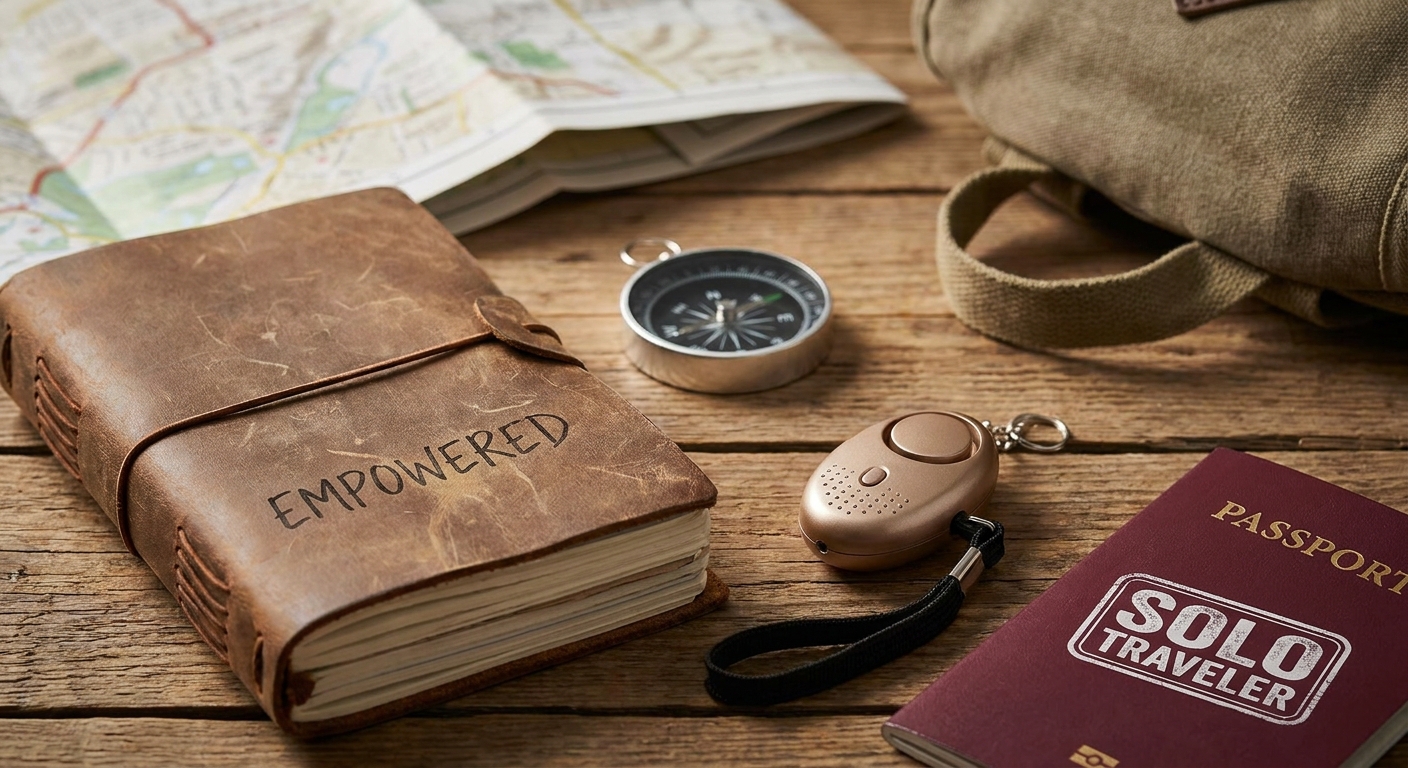
The most critical pre-trip preparations involve three core areas: comprehensive research, organizing your documents and finances, and establishing a solid communication plan. These steps form the bedrock of a safe and smooth journey, transforming potential anxieties into confident anticipation. Neglecting this phase is the biggest mistake a first-time solo traveler can make.
First, dive deep into research, going far beyond just booking a flight and a hotel. Your research should cover cultural norms, especially regarding women. What is the appropriate dress code? Are there places women should avoid, particularly after dark? Understanding these nuances prevents you from unintentionally causing offense or drawing unwanted attention. Research safe neighborhoods to stay in and map out their proximity to attractions and public transport. Read recent reviews of your chosen accommodation specifically from other solo female travelers. Look for mentions of safety, location, and staff helpfulness. Also, research common scams in your destination. Knowing in advance about the 'friendship bracelet' scam in Paris or the 'spilled tea' trick in Rome allows you to recognize and avoid it instantly.
Second, get your documents and finances in meticulous order. Scan your passport, visa, driver's license, and credit cards, then save them to a secure cloud service like Google Drive or Dropbox. Also, keep a physical photocopy separate from the originals. Inform your bank and credit card companies of your travel dates and destinations to prevent them from freezing your accounts due to suspicious activity. It's wise to carry more than one type of payment method - perhaps two different credit cards and a debit card - and store them in separate places. Having a small stash of emergency US dollars hidden in your luggage is also a good backup plan. Finally, purchase comprehensive travel insurance the moment you book your trip. Ensure it covers medical emergencies, trip cancellations, and theft of belongings. Read the policy carefully to understand what is and isn't covered.
The third pillar is your communication plan. This is non-negotiable. Share a detailed copy of your itinerary with a trusted friend or family member back home. This should include flight numbers, hotel addresses and phone numbers, and a general outline of your planned activities. Set up a regular check-in schedule, whether it's a quick text message every morning or a brief call every couple of days. This provides peace of mind for both you and your loved ones. Before you leave, figure out your phone situation. Will you use an international plan from your current provider, or will you buy a local SIM card upon arrival? The latter is often cheaper and ensures you have data for maps and communication from the get-go. Download offline maps of your city so you can navigate even without a cell signal. Preparing these elements thoroughly doesn't just enhance your safety; it frees up your mental energy to fully immerse yourself in the joy of discovery once you arrive.
How Can I Stay Safe in My Accommodation When Traveling Alone?
To stay safe in your accommodation, you must be proactive from the booking process through to your nightly routine. The key is to choose well-reviewed properties in safe neighborhoods and then implement your own layer of personal security measures once you've checked in. Never assume that a locked door is the only thing keeping you safe.
The selection process is your first line of defense. Don't just look at the overall rating of a hotel, hostel, or Airbnb. Take the time to read through the reviews, filtering specifically for comments from solo female travelers. Did they feel safe walking back at night? Were the staff helpful and respectful? Is the property's entrance well-lit and secure? For hostels, look for female-only dorms if that makes you more comfortable. For any accommodation, use Google Street View to virtually 'walk' around the neighborhood. Does it look well-maintained and populated, or deserted and run-down? A slightly higher price for a room in a safer, more central location is always a worthy investment in your peace of mind.
Once you arrive, your awareness should remain high. When checking in, if the front desk clerk announces your room number out loud, politely ask them to write it down for you instead. This prevents anyone in the lobby from knowing where you're staying. Avoid ground-floor rooms if possible, as they can be more accessible from the outside. Once in your room, do a quick security check. Does the main door lock securely? Does the window lock? Is there a peephole? Even in the most reputable hotels, it's wise to add your own security. A simple rubber doorstop wedged under the door from the inside makes it incredibly difficult to force open. Alternatively, you can purchase a portable door lock, a small device that adds an extra layer of reinforcement. These small, inexpensive items can provide an immense sense of security while you sleep.
Finally, be discreet and mindful of your daily habits. Never hang the "Please Make Up My Room" sign on your door; it's a clear advertisement that you're not there. Instead, just call housekeeping or speak to them in the hallway. When you leave for the day, you can leave the TV or a light on to give the impression that the room is occupied. Be cautious about who you invite back to your room and avoid telling strangers exactly where you are staying. If you meet new friends, suggest meeting in a public space like the hotel lobby or a nearby cafe. Your hotel room should be your private sanctuary, a place where you can relax and recharge. Taking these deliberate steps ensures it remains that way throughout your trip.
What Everyday Safety Practices Should I Follow While Exploring?
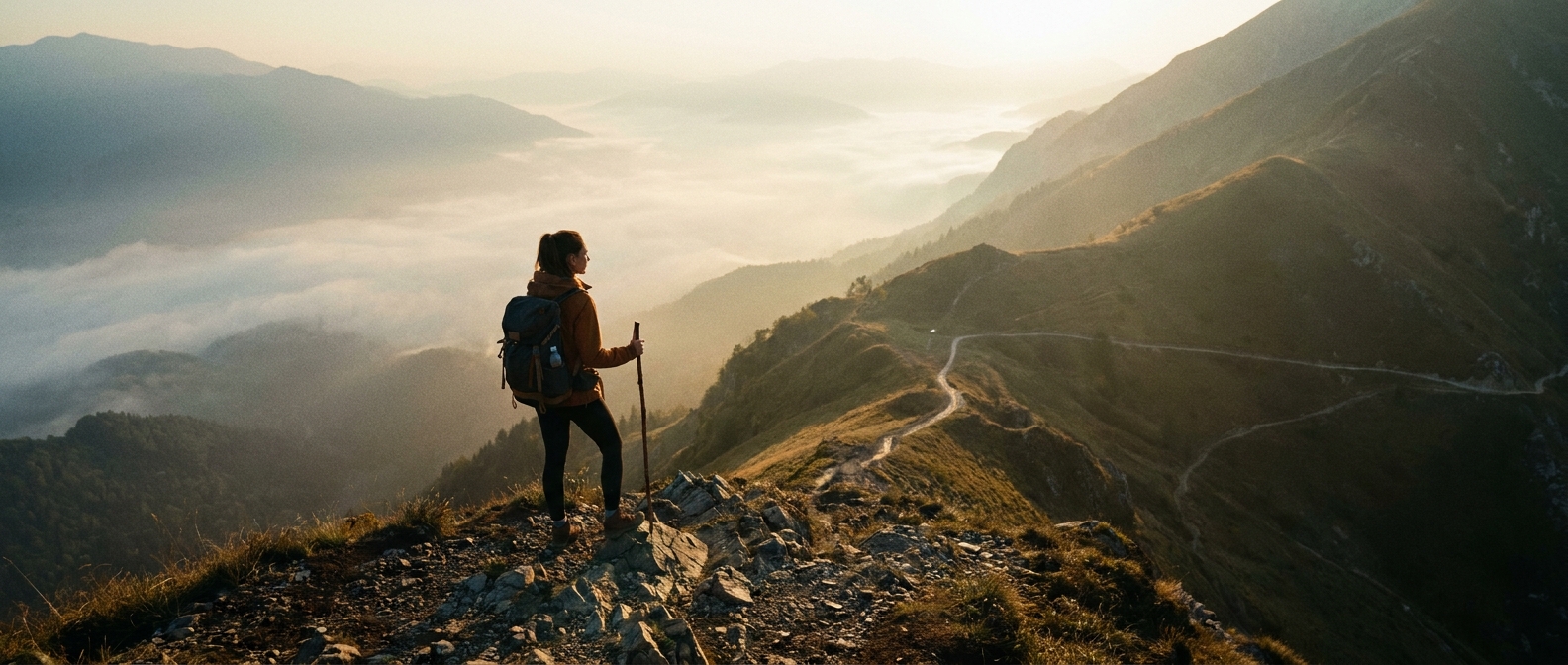
The most effective everyday safety practices are rooted in blending in, maintaining constant situational awareness, and projecting confidence. Your goal is to move through a new environment like an observant local, not a distracted tourist. This approach significantly reduces your visibility as a potential target for petty crime or unwanted attention.
Blending in starts with your attire. Before your trip, research the local dress code, particularly for women. This doesn't mean you need to completely change your style, but it does mean being respectful and practical. In conservative cultures, this might involve covering your shoulders and knees. In bustling European cities, it might mean swapping bright, touristy clothing for more neutral tones to avoid standing out. The key is to dress in a way that doesn't scream "I'm not from here and I have valuables." This extends to your belongings. Avoid flashing expensive jewelry, cameras, or large amounts of cash. A flashy designer handbag is a magnet for pickpockets; a simple, secure crossbody bag that you can wear in front of your body is a much smarter choice.
Situational awareness is your superpower. It means keeping your head out of your phone and actively observing your surroundings. Who is walking behind you? What's happening down the street? Are you in a well-lit, populated area? When using public transport, be aware of your belongings, especially in crowded conditions. It's also about being mindful of your state. While enjoying a glass of local wine is part of the experience, avoid excessive alcohol consumption. Your judgment and reflexes are your best defense, and keeping them sharp is paramount. Always trust your intuition. If a street, a person, or a situation feels 'off,' it probably is. Don't hesitate to cross the street, duck into a shop, or take a different route. You don't need to justify this feeling; you just need to honor it. That gut feeling is an ancient, powerful safety mechanism.
Projecting confidence is a powerful deterrent. Walk with purpose, even if you're lost. If you need to check a map, step into a cafe or shop rather than standing vulnerably on a street corner. Hold your head high and make brief eye contact with people. This non-verbal communication signals that you are aware and not an easy target. Scammers and thieves often look for people who appear lost, timid, or distracted. By exuding an aura of self-assurance, you make yourself a less appealing prospect. This doesn't mean you have to be aggressive or unfriendly, simply self-possessed. Combining these practices - blending in, staying aware, and appearing confident - creates a powerful, layered defense that allows you to explore the world with freedom and security.
How Do I Handle Unwanted Attention or Harassment?
The most effective way to handle unwanted attention or harassment is to respond with a strategy of being firm, direct, and brief, and then immediately removing yourself from the situation. Avoid prolonged engagement, as this can sometimes be misinterpreted as encouragement. Your primary goal is not to teach someone a lesson, but to ensure your own safety and comfort by disengaging quickly and effectively.
Your response toolkit should include both verbal and non-verbal techniques. Non-verbally, your body language can send a powerful message. Stand tall, avoid smiling politely, and use a strong, level gaze. A simple, sharp headshake can often be enough to deter a low-level approach. If someone is trying to talk to you and you're not interested, you can simply ignore them and keep walking with purpose. You are not obligated to be polite to someone who is making you uncomfortable. For verbal responses, have a few short, firm phrases ready. A simple and loud "No," "Leave me alone," or the local equivalent is extremely effective. There is no need for excuses or elaborate explanations like "I have a boyfriend." A direct command is clearer and less open to interpretation.
It's also crucial to understand the cultural context. In some parts of the world, friendly catcalling or persistent approaches from shopkeepers might be a common, albeit annoying, part of the social fabric. In these cases, a strategy of confident indifference - simply ignoring it and continuing on your way - is often the best approach. However, if you ever feel a situation is escalating or your personal space is being violated, you must act more assertively. Raise your voice to draw attention to the situation. A loud, sharp "Stop!" or "Get away from me!" can startle the aggressor and alert others around you that you need help. Don't be afraid to make a scene if you feel threatened. Your safety is more important than avoiding a moment of public awkwardness.
When in doubt, seek help from a safe source. Duck into a store with families or other women inside, approach a hotel concierge, or find a police officer. If you're on a bus or train, move closer to the driver or conductor. Having a plan for these scenarios before they happen can help you react calmly and decisively instead of freezing. For example, you can identify 'safe zones' on your map, like police stations or major hotels along your route. The ultimate takeaway is to trust your judgment. If someone's attention makes you feel uneasy, you have every right to shut it down immediately and without apology. This assertiveness is a vital skill, not just for travel, but for life.
What Are the Best Ways to Meet People and Combat Loneliness?
The best ways to meet people and combat loneliness while traveling solo are to be proactive and place yourself in social environments. Joining small group tours, staying in social hostels or guesthouses, and using travel-focused apps are excellent strategies. The key is to balance a willingness to connect with the freedom of being on your own schedule.
Small group tours are a fantastic option, especially for your first few days in a new city. A food tour, a bike tour, or a free walking tour instantly connects you with a handful of other travelers who share a common interest. These settings are natural conversation starters. You're all experiencing something new together, which makes it easy to ask, "Where are you from?" or "What else have you seen in the city?" Often, these short tours can lead to invitations for dinner or plans to explore together the next day. It's a low-pressure way to find a temporary travel buddy without committing your entire trip to someone else's agenda.
Your choice of accommodation plays a huge role in your social life on the road. While a private hotel room offers solitude, it can also be isolating. Consider staying in a highly-rated hostel with a comfortable common area or a guesthouse known for its friendly, communal atmosphere. You don't have to stay in a 12-person dorm; many hostels offer private rooms that still give you access to social spaces like a shared kitchen, lounge, or organized events like pub crawls or movie nights. Simply spending an hour in the common room with a book can lead to organic conversations with fellow travelers. This environment is designed for connection, making it one of the easiest ways to meet people from all over the world.
Technology can also be a bridge to connection. Apps like Meetup can help you find groups and events based on your hobbies, whether it's a hiking club, a language exchange, or a board game night. Bumble BFF has a mode for finding platonic friends, and apps like Eatwith connect you with locals who host dinner parties in their homes. However, it's also important to embrace solitude. Loneliness can sometimes be a part of the solo travel experience, and that's okay. Use that time for reflection. Take yourself out for a nice dinner with a journal for company. Sit in a park and people-watch. Learning to enjoy your own company is one of the most profound benefits of traveling alone. The goal isn't to be surrounded by people 24/7, but to know how to find connection when you want it and how to cherish your solitude when you have it.
What Should I Pack Specifically for a Safe and Comfortable Solo Trip?
For a safe and comfortable solo trip, your packing list should be strategic, focusing on versatile items that enhance both your security and your well-being. Beyond your clothes and toiletries, you should include a dedicated personal safety kit, practical tech gadgets, and items that provide comfort and peace of mind. Packing light is crucial, but these specific additions are non-negotiable.
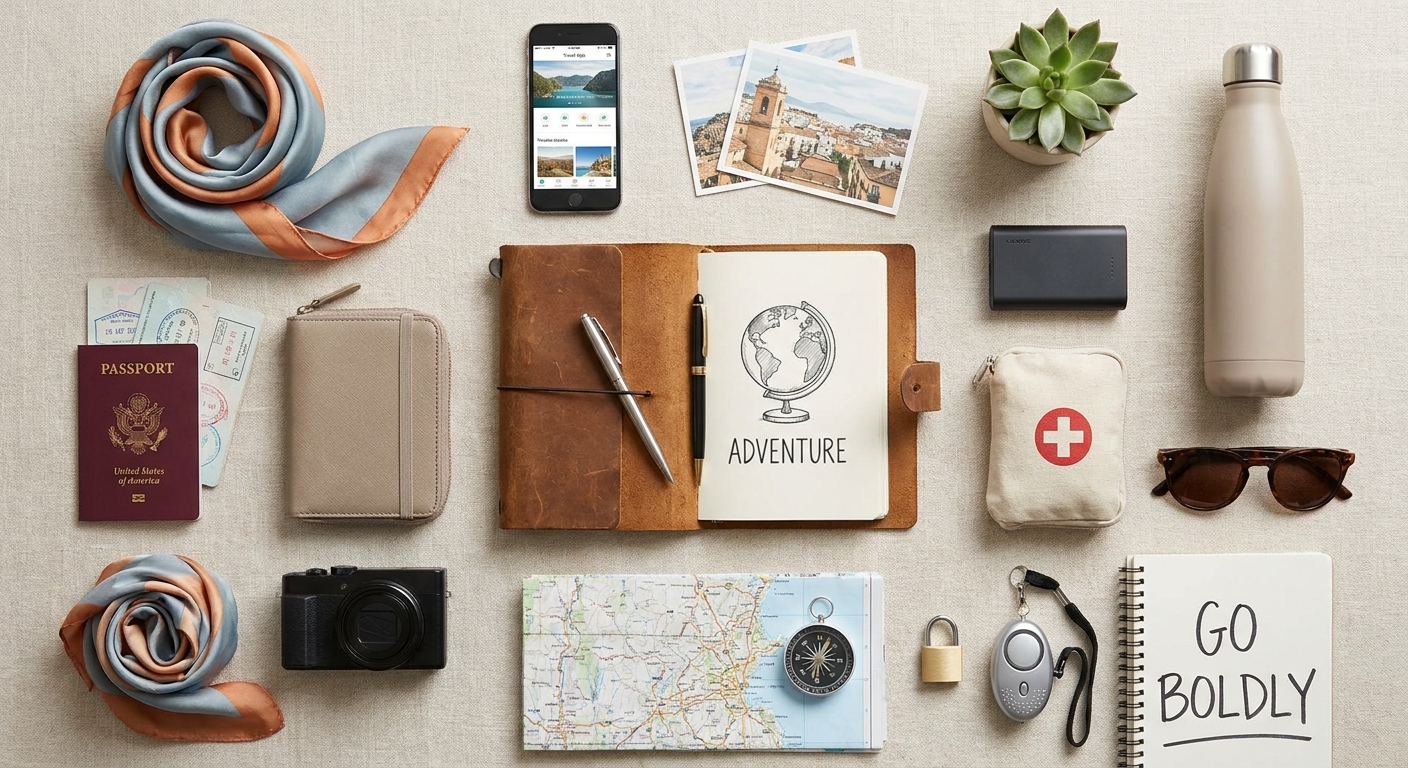
First, assemble a small but mighty personal safety kit. This should include a rubber doorstop or a portable door lock for extra security in your accommodation. A personal safety alarm, which emits a loud, piercing sound when activated, can be a powerful deterrent and attract attention in an emergency. It's also wise to pack a small, basic first-aid kit with essentials like bandages, antiseptic wipes, pain relievers, and any personal medications. A whistle is another lightweight yet effective item to carry, easily attached to your backpack or keychain. These items take up minimal space but provide an enormous psychological boost, knowing you have tools to handle various situations.
Next, focus on essential technology and security for your valuables. A portable power bank is absolutely vital; your phone is your lifeline for maps, communication, and emergency calls, and you can't afford for it to die. An anti-theft bag, such as a crossbody or backpack with features like slash-proof fabric and locking zippers, offers excellent protection against pickpockets in crowded areas. Consider bringing a dummy wallet - an old wallet with a small amount of local currency and some expired cards. If you were ever to be mugged, you could hand this over without losing your essential documents and cards, which you should keep secured in your primary, protected bag or a money belt.
Finally, pack for comfort and cultural adaptability. This means versatile clothing that can be layered and adapted to different situations. Include at least one more conservative outfit (e.g., a long skirt or loose pants and a scarf to cover your shoulders) for visiting religious sites or navigating more traditional areas. A large, lightweight scarf or sarong is one of the most useful travel items; it can be used as a head covering, a blanket, a towel, or a fashion accessory. Don't forget a copy of your emergency contacts and important documents, stored separately from the originals. Packing these specific items demonstrates a shift in mindset from a casual vacationer to a savvy, prepared solo traveler, ready to navigate the world with confidence and comfort.
How Can I Use Technology to Enhance My Safety?
You can significantly enhance your safety by leveraging technology as a proactive tool for navigation, communication, and emergency response. Your smartphone can be transformed into a powerful safety device with the right apps, settings, and accessories. This isn't about being glued to your screen, but about using technology smartly in the background to create a digital safety net.
The first layer of technological safety involves navigation and information. Before you even leave your hotel, download an offline version of the map for your area using an app like Google Maps or Maps.me. This ensures that even if you lose your internet connection or run out of data, you can still find your way back to your accommodation and navigate the city. Use apps like GeoSure, which provides location-specific safety scores, including categories for women's safety, theft, and physical harm. This data can help you make informed decisions about which neighborhoods to explore and which to avoid, especially after dark. A translation app with a voice feature can also be a lifesaver in situations where you need to ask for help or directions but don't speak the local language.
The second layer is about active safety and emergency communication. Share your live location with a trusted contact back home for a set period using features built into Google Maps or WhatsApp. There are also dedicated safety apps like bSafe or Noonlight. These apps often feature an SOS button that can discreetly alert your emergency contacts (and sometimes local authorities) with your exact location if you're in trouble. Some even have features like a fake call function, which you can activate to get out of an uncomfortable conversation, or a timer that will automatically trigger an alert if you don't check in as safe by a designated time. Practicing how to use these features before your trip is essential so you can activate them quickly under stress.
The final layer is data and financial security. Always use a Virtual Private Network (VPN) when connecting to public Wi-Fi networks in cafes, airports, or hotels. Public networks are notoriously insecure, and a VPN encrypts your data, protecting your passwords, banking information, and personal messages from potential hackers. Ensure your phone is password or biometrically protected. Keep digital copies of your passport and other important documents in a secure, encrypted cloud storage service. And, as mentioned before, a reliable portable power bank is a critical piece of your tech safety kit. A dead phone means losing your map, your translator, your camera, and your emergency line all at once. By thoughtfully integrating these technologies into your travel routine, you create a robust and modern safety system that empowers you to explore with greater confidence.
What Financial Safety Tips are Essential for Solo Female Travelers?
Essential financial safety tips for solo female travelers revolve around diversification of funds, proactive security measures, and awareness of common scams. Protecting your money is just as important as protecting your physical self, and a smart financial strategy can prevent a minor inconvenience from turning into a major crisis. Never keep all your financial resources in one place.
First and foremost, diversify your payment methods. Your wallet should contain a mix of assets: a small amount of local currency for minor purchases, a primary credit card, a backup credit card from a different bank (e.g., a Visa and a Mastercard), and a debit card for ATM withdrawals. Crucially, do not store all these cards in the same physical location. Keep your daily cash and one card in your wallet or purse. Store the backup credit card, your debit card, and the bulk of your cash locked in your luggage back at your accommodation or in a secure money belt under your clothes. This way, if your purse is lost or stolen, you won't be left completely stranded without access to funds. Before you leave, call your banks to inform them of your travel itinerary to prevent your cards from being flagged for fraud and frozen.
Second, implement proactive physical and digital security for your money. Use an anti-theft bag with RFID-blocking pockets to protect your cards from electronic skimming. When using an ATM, be highly vigilant. Choose ATMs located inside a bank lobby rather than on a random street corner. Before inserting your card, check the card slot and keypad for any unusual or loose parts, which could be signs of a skimming device. Cover the keypad with your hand as you enter your PIN. Be wary of anyone trying to 'help' you at an ATM. For digital security, avoid doing any online banking or entering financial information while connected to unsecured public Wi-Fi. If you must, use a VPN to encrypt your connection.
Finally, be educated about common financial scams targeted at tourists. This includes everything from taxi drivers who claim their meter is broken and then overcharge you, to friendly strangers who distract you while an accomplice picks your pocket. Research the typical cost of things like a taxi from the airport or a simple meal, so you have a baseline and can recognize when you're being overcharged. When paying with a credit card, never let the card out of your sight. If a vendor needs to take it to a different location for processing, ask to accompany them or use cash instead. By combining this awareness with the practical strategies of diversifying and securing your funds, you can navigate your travels with financial confidence, knowing you have multiple backups and a keen eye for potential risks.
Conclusion
Embarking on a solo female travel journey is a profound statement of independence, courage, and curiosity. It is an act of claiming the world as your own, on your own terms. While the prospect can seem daunting, riddled with questions of safety and logistics, this guide has shown that with the right preparation, awareness, and mindset, it is not only achievable but can be one of the most empowering and transformative experiences of your life. The fears that often hold us back can be systematically dismantled and replaced with smart, actionable strategies that mitigate risk without diminishing the spirit of adventure.
The core principles of safe and successful solo travel are simple yet powerful: prepare meticulously, be present and aware in your environment, and trust your intuition implicitly. From the careful selection of your first destination and the thorough research of cultural norms to the practical daily habits of projecting confidence and securing your accommodation, each step you take is a building block of a successful trip. It's about understanding that safety isn't a passive state but an active practice - a set of skills that you will hone with every new city you navigate and every challenge you overcome.
Ultimately, the rewards of traveling solo as a woman extend far beyond the photos you'll take and the sights you'll see. You will discover a deep well of resilience within yourself that you may not have known existed. You will learn to solve problems independently, to be comfortable in your own skin, and to connect with the world and its people in a more authentic and meaningful way. So, take this knowledge, pack your bags, and step out into the world with confidence. Your adventure is waiting, and you are more than capable of meeting it. The journey of a thousand miles begins with this single, brave step.
Frequently Asked Questions
While safety is dynamic, countries like Iceland, New Zealand, Finland, and Japan consistently rank among the safest in the world due to their extremely low crime rates and high levels of social stability. These destinations are excellent for first-time solo female travelers because they also boast excellent infrastructure and a high respect for personal space. Iceland, for example, is famous for its stunning natural beauty and is so safe that many locals don't lock their doors. Ultimately, the 'safest' country is one where you feel comfortable, which comes from thorough research into both official safety statistics and the experiences of other female travelers.
Overcoming the fear of traveling alone starts with taking small, manageable steps to build confidence. Begin with a 'test run' - a solo weekend trip to a nearby city. This helps you practice navigating, dining, and being alone without being too far from your comfort zone. Knowledge is the antidote to fear, so research your destination exhaustively until it feels familiar. Read blogs, watch vlogs, and join online communities for solo female travelers to see how many others are doing it safely and happily. Finally, arm yourself with a solid plan, including pre-booked accommodation for the first few nights and a clear itinerary. This preparation transforms abstract fear into a concrete, actionable plan.
No, it is not weird at all to eat alone in a restaurant while traveling; in fact, it's a common and empowering experience for many solo travelers. To feel more comfortable, choose a restaurant with bar seating or a casual cafe with outdoor tables, as these are natural spots for solo diners. Bring a book or a journal to keep you company, or simply use the time for people-watching and soaking in the local atmosphere. Remember, no one is paying as much attention to you as you think. Dining alone is a wonderful opportunity to savor your food, reflect on your day, and enjoy your own company.
When traveling alone, you should not share your accommodation details with strangers or post your location on social media in real-time; wait until you've left a place to post about it. Avoid walking alone at night in poorly-lit or deserted areas; stick to main roads or take a reputable taxi or rideshare. Do not flash expensive items like jewelry or large amounts of cash. Importantly, don't ignore your intuition. If a person or situation feels wrong, remove yourself immediately without worrying about being polite. Finally, never leave your drink unattended, and be cautious about consuming excessive alcohol, which can lower your inhibitions and awareness.
The amount of money you need for a solo trip varies dramatically based on your destination, travel style, and trip duration. A good starting point is to research the average daily cost for a mid-range traveler in your chosen country, which you can find on travel blogs or budget planning sites. A typical budget for Southeast Asia might be $40-60 per day, while in Western Europe it could be $100-150 per day. Create a detailed budget including flights, accommodation, food, activities, transportation, and a contingency fund (around 15-20% of your total budget) for unexpected expenses. Tracking your spending for a month before you go can also reveal your spending habits.